AI Music: Why I’m choosing not to ‘Optimise’ my songwriting
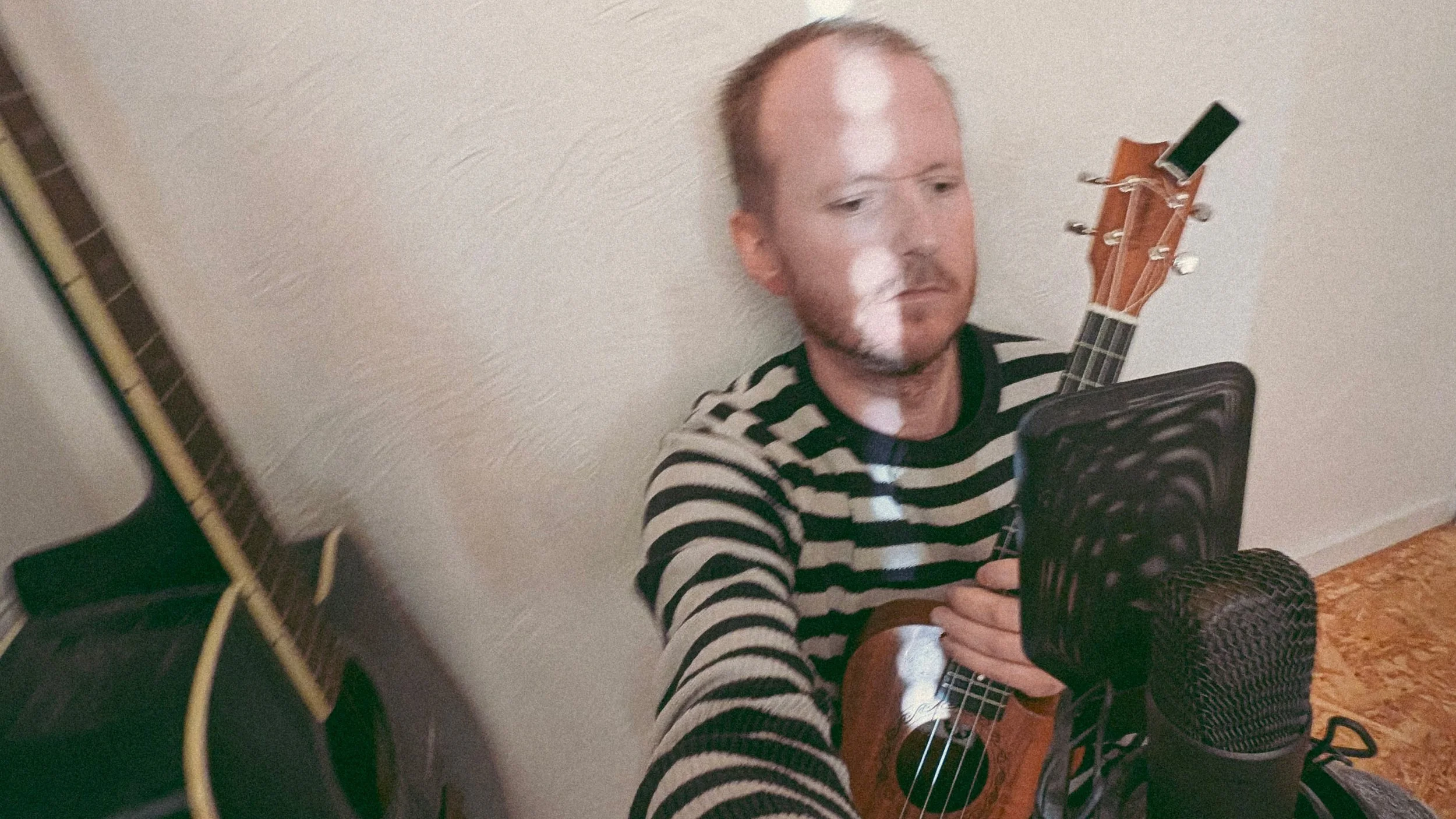
Recording my upcoming song Ivy, which features a minimalistic arrangement of just ukulele, vocal and a simple string part.
Music creation, songwriting, production… the business of making sounds, as it were, appears to be going through a period of rapid, unstoppable change. With AI tools like Suno on the rise, more music is being created than ever before. Should we be scared?
During the Christmas period (in between visiting family and eating far too much food), I set some time aside to finish writing and recording a new song, one that had been quietly gestating in the back of my mind for some time. Ivy is more of a short tone poem, in that it only has six lines, delivered in just over two minutes… but I liked the idea of that. It’s… different. I deliberately made a few creative choices along the way of creating the song that pleased me in their idiosyncratic quality. It occurred to me, though. Was I doing all this for the sake of doing something that AI wouldn’t or couldn’t do?
AI song blueprints
After I had finished recording, mixing and ‘mastering’ Ivy, I was enjoying some quiet downtime, watching YouTube, when I stumbled upon an interesting video on the topic from Produce Like A Pro. In the video, producer Warren Huart explains, from an industry insider perspective, just how much AI is impacting the music industry. As he eloquently lifted the lid on what is happening right now, I felt no small amount of disappointment and dismay. What Warren was describing, to my mind, had all the signs of a race to the bottom in terms of the idea of music as a product, a constant need for more ‘stuff,’ irrespective of the quality.
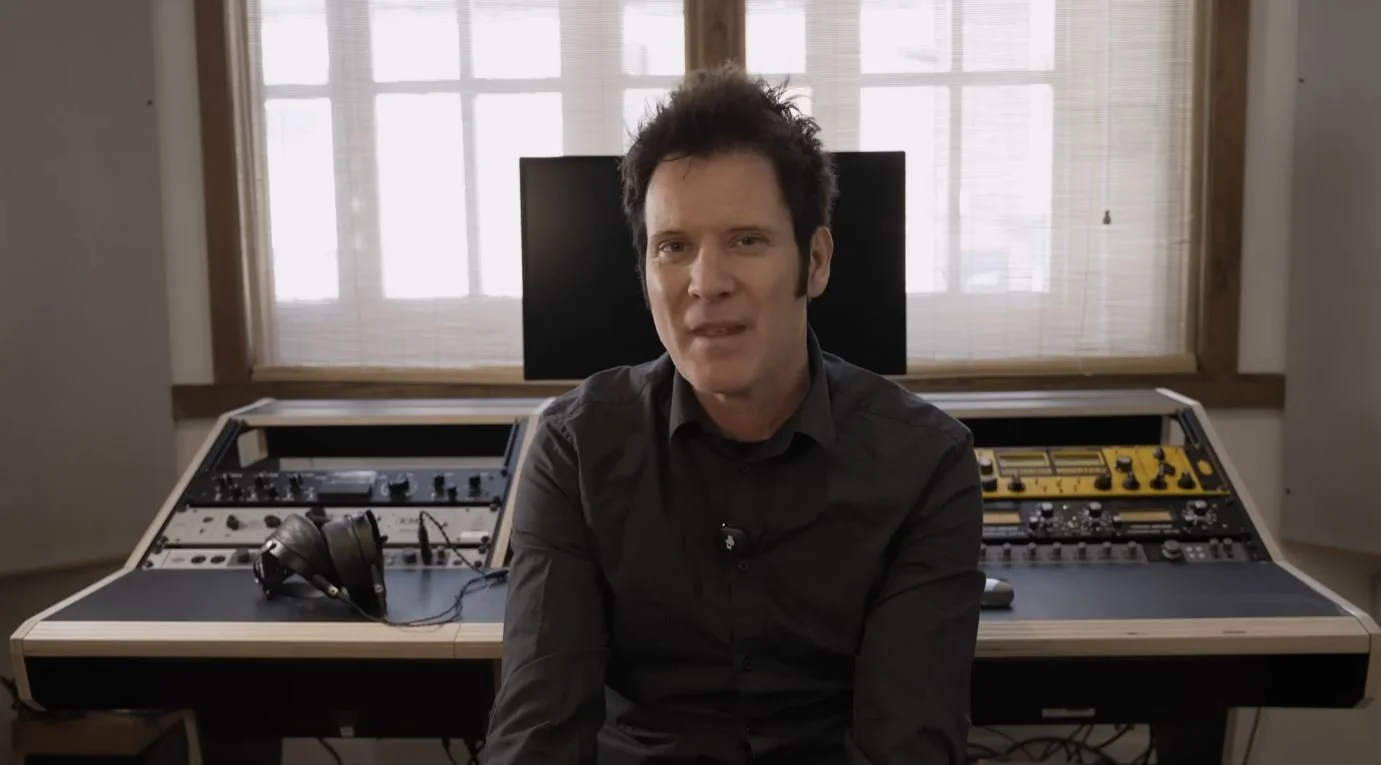
Video from Produce Like a Pro, with Warren Huart explaining what is happening with AI in the music industry.
The idea of AI song blueprints, that is to say, Suno-prompted songs being used as blueprints to recreate with session musicians, seems to me to rather miss an important (for me anyway) point of music: individual perspective. For myself, music and songwriting are a form of creative expression for the artist, in the same vein as sculpture or painting. I’m engaged because I’m interested in their perspective on the world. Anything else would be listening for the sake of listening. Consumption for the sake of consumption. Just writing this down has a certain tiresome quality about it.
It’s also disheartening to think of creative people who once had a stable livelihood in the sync licensing business, now finding themselves squeezed out of a job because TV producers can prompt music that is just ‘good enough’ to sit in the background of a documentary or reality show. This is, of course, a positive for the producers of these programmes. Any concerns about licensing or royalties are erased. Just type a prompt and get your soundtrack wholesale. It’s all rather ominous and a real-world example of an industry being made inviable by AI.
PERFECTLY IMPERFECT MUSIC
It will come as no surprise, then, when I say that I agree with what Warren points out in his video. The music that I value isn’t about perfectly quantised rhythm or tuned vocals. To me, good music is defined by real feel. Great swing. Vocals that occasionally strain a few cents too sharp, adding tension and emotion. The occasional buzz of a note on a fret that wasn’t perfectly played, and choosing not to ‘punch in’ and fix that.
I much prefer the music I listen to made by humans, essentially. So I do worry that we are heading towards a world where the majority of what we hear is generated via prompt, by those who view the output as a marketable commodity. I see this as incredibly harmful to musicians, who already find themselves in a tough position due to the nature of streaming and entities like Spotify adding AI songs to their library.
Coming back to the song I recorded on Boxing Day, Ivy. I do think I went for something ‘extra idiosyncratic’ in terms of the minimalist arrangement and song structure. Writing it in 5/4, omitting a bass line. I did these things to please my own curiosity, though. There may have been a subconscious element of resistance towards what is happening with AI music, though.
The hope is, then, that these are things AI can’t replicate. As I understand it, these models are trained on existing songs. The stuff that has already been done. But truly great music takes those things and builds on them, creating new worlds. A classic example that springs to mind is the pop/rock revolution of the 1960s, when some of the best songwriters of the day fused elements of jazz and classical music with the rock and roll sounds of the 1950s. And again… these songs were by no means technically perfect or executed in a way that could be described as virtuoso. What made them great was their originality. The notion. The idea behind them. Their imperfect construction added character and flavour to them.
In the sea of AI sounds that is evidently only going to keep rising, I hope that authentically human creativity will stand out on these merits. Creating new sounds that aren’t just regurgitated from ideas that have already been done.